





Table of Contents:
Packing for a holiday often comes with a strange twinge of guilt. You’re faced with a wardrobe of flimsy, last-season summer dresses and kaftans, many of which were bought for a single trip, worn twice, and now look tired. The “fast fashion” model feels especially wasteful when it comes to seasonal clothing.1
The alternative, “sustainable fashion,” has historically had an image problem. It often brings to mind bland, shapeless, beige-colored basics. We’re left with a frustrating choice: look good, or feel good about what you’re buying?
This is the dilemma that Aspiga was built to solve. It’s a brand that proves you don’t have to sacrifice vibrant, beautiful, artisan-made style for the sake of ethics.
The Aspiga Collection Highlights
- Kaftans & Cover-Ups: This is their hero category. Think hand-embroidered details, organic cotton, and silhouettes that work just as well for a beach bar as they do over a swimsuit.
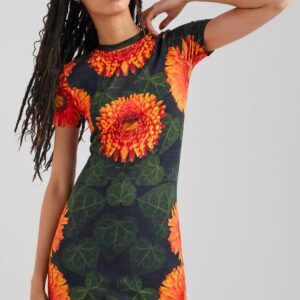
- Artisan-Made Dresses: Their signature look. Vibrant, boho-luxe dresses, often featuring intricate beadwork and embroidery, made by artisans in Kenya and India.2
- Organic Cotton Basics: The foundation of the wardrobe. GOTS-certified organic cotton tops, trousers, and skirts that feel incredibly soft and are built to last.3
- Leather Sandals & Accessories: Hand-beaded sandals, belts, and woven bags that complete the head-to-toe look, all sourced from ethical producers.4
More Than Just a Pretty Kaftan: What “B-Corp” Actually Means
“Sustainable” is a word that gets thrown around so much it’s almost lost its meaning. Aspiga put its money where its mouth is by becoming a B-Corp certified company. This is not an easy badge to get. It’s a rigorous, legally-binding certification that verifies a company meets the highest standards of social and environmental performance, transparency, and accountability.
What this means for you, as a shopper, is trust. When Aspiga says a dress is made from GOTS-certified organic cotton, it is. When they talk about their long-standing partnerships with artisans in Kenya, it’s not just a marketing story; it’s a core part of their audited supply chain. This brand was built on the idea of fighting the “throw-away” culture of seasonal fashion, creating pieces you’re meant to cherish for years.
This ethos also dictates their choice of materials. You’ll find a heavy focus on natural, breathable fabrics like linen (which requires very little water to grow), Ecovero viscose (made from sustainable wood pulp), and organic cotton. These materials not only have a lower environmental impact, but they also feel significantly better on your skin, which is exactly what you want in warm weather.
The Heart of the Brand: Artisan Craft and Resort-Ready Style

The main reason Aspiga stands out from the sea of “beige” sustainable brands is its unapologetic use of color and craft. This isn’t boring fashion. The collection is vibrant, detailed, and infused with a human touch that a machine simply can’t replicate.
Their signature pieces are often the hand-embroidered dresses and hand-beaded sandals.5 You can see the artistry in the intricate patterns, a direct result of their work with artisan co-ops. This approach does two things: it provides a stable, fair income for skilled craftspeople (primarily in Kenya and India) and it creates a product that feels unique and special.
This is the antidote to the identical, mass-produced items you see everywhere else. It’s the kind of dress or kaftan that gets compliments because it looks like it has a story. It’s the perfect blend of traditional craft and modern, relaxed “boho” silhouettes.
A Closer Look at the Wardrobe Staples
While the vibrant dresses are the headliners, the true test of a brand is in its basics. Aspiga’s collection of trousers, tops, and skirts is built on the same sustainable principles. Their linen wide-leg trousers, for example, are a perfect holiday staple.6 They are light, airy, and can be dressed down for the beach or paired with a silk camisole for dinner.
Their organic cotton T-shirts and tops are another standout. The quality is immediately apparent; the cotton is softer and has a better “drape” than its conventional counterparts. These are the workhorses of a travel wardrobe, the pieces you can layer under a slip dress or pair with a skirt.
Their swimwear is also thoughtfully designed, using recycled materials like Econyl, a high-quality nylon regenerated from fishing nets and other plastic waste.7 It’s a high-performance fabric that’s also helping to clean up the oceans.
Fit, Feel, and Real-World Wear
Let’s talk about the fit. Aspiga’s aesthetic leans towards relaxed, “easy-to-wear” silhouettes. Kaftans are roomy, dresses are often flowy, and trousers feature comfortable elasticated waists. This is clothing designed for comfort and confidence in warm climates.
Because the fabrics are natural, the “feel” is a major selling point. The linen is crisp but softens beautifully with every wash. The organic cotton is breathable and gentle on the skin. This is particularly noticeable in their sleepwear and loungewear, which feel like a genuine luxury.
This commitment to quality means these are not disposable, one-season pieces. They are investment items. You are paying for the B-Corp certification, the organic materials, and the artisan handiwork. The result is a piece of clothing that will not only look good next summer, but for many summers after that.
A Truly Feel-Good Wardrobe
Aspiga successfully solves the conflict between style and substance. It’s for the person who wants to pack a suitcase full of beautiful, colorful, and unique pieces for their holiday, but is increasingly uncomfortable with the environmental and human cost of fast fashion.
This is conscious consumerism without the compromise. You get the stunning, embroidered summer dresses and vibrant beachwear, and you get the peace of mind from a B-Corp certification. It’s a brand that lets you feel good, in every sense of the word.