




Table of Contents:
Hair styling tools differ in how they generate heat, how quickly they recover between sections, and how their housings grip or glide through strands. These distinctions are mechanical and thermal, not merely cosmetic, and they show up most clearly when a catalog spans several heating methods at once. tymobeauty.com sells across curling, straightening, and brushing categories, which makes its lineup a useful reference point for examining what actually separates one styling mechanism from another.
Auto-Rotating Curling Systems: CURLPRO, CURLPRO PLUS, and ROVY Compared
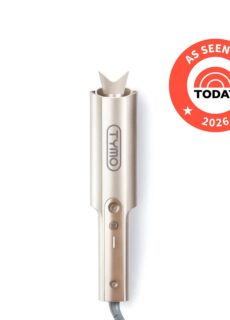
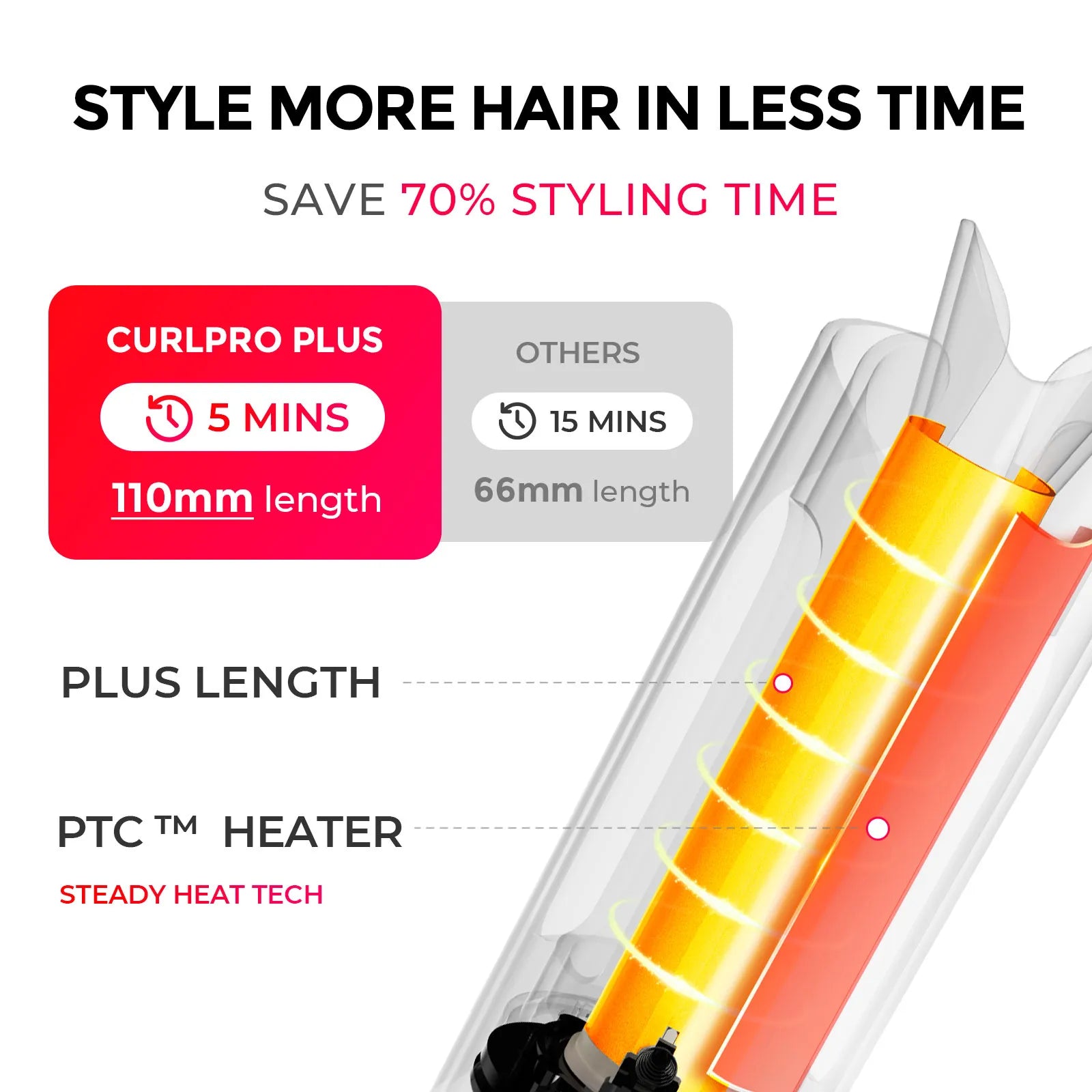
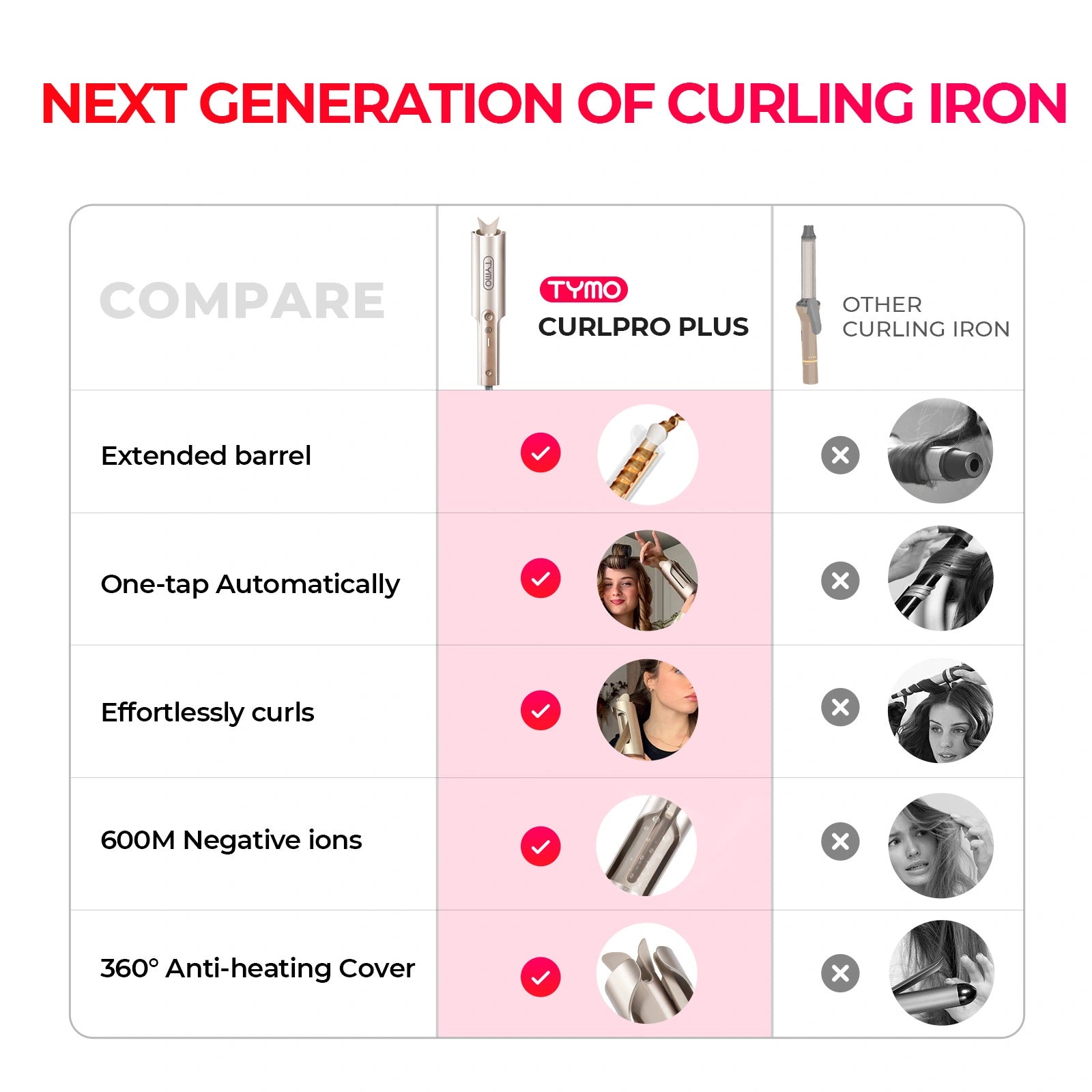
TYMO CURLPRO, TYMO CURLPRO PLUS, and TYMO ROVY all fall under the auto-rotating or barrel-waving family sold through tymobeauty, but they are not interchangeable. TYMO CURLPRO is built around a one-click rotation function housed in a 360° cool-to-the-touch anti-scald shell, aimed at quick, consistent curls in 10 minutes. TYMO CURLPRO PLUS extends that same auto-rotating concept with a longer ceramic barrel than the standard CURLPRO, positioned to handle short layers, thick bobs, or hip-length hair in a single pass, with salon-style curls claimed in 5 minutes; the listing for this model also carries a 4.9/5 rating drawn from 609 reviews, a figure specific to that product page rather than the curler category generally. TYMO ROVY departs from the rotating-barrel format entirely in favor of a W-shaped deep barrel designed for beach-style waves, engineered for swift, even heating rather than automatic rotation.
Steam-Enhanced Straightening with FLAIGHT AQUA and FLAIGHT HOLO PREMIUM
Steam-based straightening is a separate mechanical category from dry flat ironing, since it introduces moisture into the heating process rather than relying on heat alone. TYMO FLAIGHT AQUA is described as a multifunctional steam flat iron that pairs steam technology with precision heat control, positioned to create sleek straight styles, soft waves, and other finishes from the same tool. TYMO FLAIGHT HOLO PREMIUM sits in the straightener line as well, built with plates listed as 35% longer than a prior reference point, which the brand states lets it handle more hair per pass and suits thicker or longer hair. It also lists a 30-second heat-up time, a figure specific to that model rather than the straightener category as a whole.
Motorized Styling Brushes: AIRLUX and AIRBEAM 3.0 Against Traditional Tools

Motorized brushes combine airflow with heated bristles, which is mechanically distinct from a static heated plate or barrel because the motor itself does part of the styling work. TYMO AIRLUX is described as a 2-in-1 blow dryer thermal brush that pairs high-speed airflow with heated styling in one compact head, aimed at blowouts, soft bends, and volume without swapping tools. TYMO AIRBEAM 3.0, listed under hot air brushes on tymobeauty.com, is built around a 110,000 RPM high-speed motor paired with T-GLOSS ceramic coating, with the brand stating this combination dries hair quickly without excessive heat. Compared to a traditional round brush and separate dryer, a motorized brush folds drying and shaping into one motion, though the mechanical distinction lies in the motor and coating rather than in any claim about long-term hair condition.
The FLIPRO Dual-Sided Heating Approach to Volume and Shine
TYMO FLIPRO is positioned as a straightening brush rather than a flat iron, built with dual-sided PTC heating technology and an anti-scald design that is stated to reach close to the roots safely. The brand describes its intended effect as straightening hair simply by brushing through it, which is a mechanical difference from pressing hair flat between two plates. tymobeauty states that, compared to traditional irons, this approach is intended to produce shinier, healthier-looking, and more voluminous results, though that comparison comes from the brand’s own product description rather than an independent test. The dual-sided heating plates are the defining structural feature separating FLIPRO from both the FLAIGHT straightener line and the rotating curlers.
Barrel Length, Heat Settings, and Ceramic Coating Technologies Across the Range
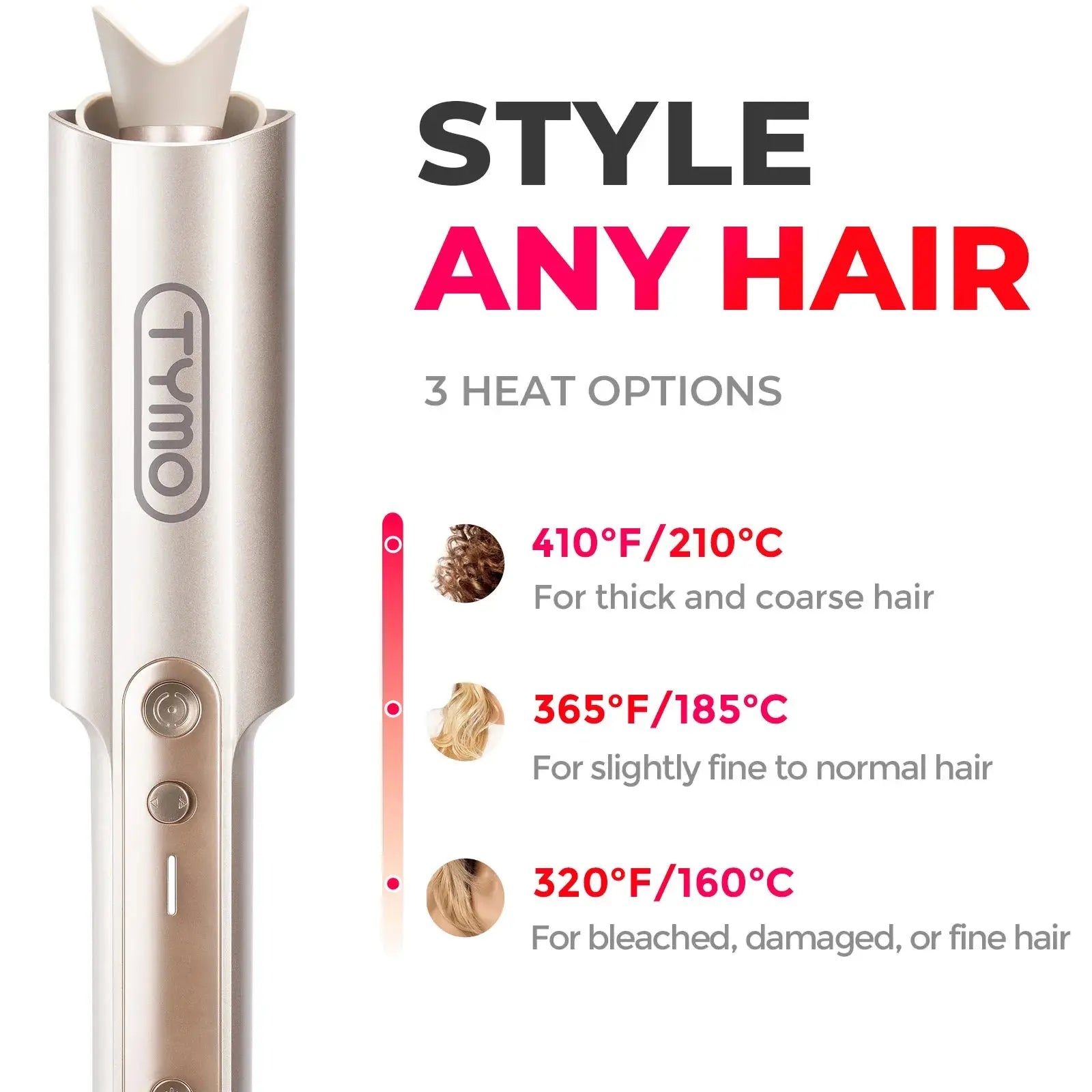
Barrel length, plate dimensions, and coating material are the specifications that most directly determine which tool suits which hair length or texture, according to the product descriptions published on tymobeauty for each line. The TYMO FLAIGHT HOLO PREMIUM’s plates, at 35% longer than the referenced comparison point, are the clearest plate-dimension figure stated anywhere in the catalog. Motor speed is the comparable specification for the hot-air brush category, where TYMO AIRBEAM 3.0’s 110,000 RPM motor stands as the one figure of its kind published for that tool. The site also notes a 2-year warranty and a 30-day return policy that apply across the hardware range, details that sit alongside the individual tool specifications rather than replacing them.
- TYMO CURLPRO uses a one-click auto-rotation function housed in a 360° cool-to-the-touch shell, targeting a 10-minute curl time.
- TYMO CURLPRO PLUS uses a longer ceramic barrel than the standard CURLPRO, built to handle short layers, thick bobs, or hip-length hair in fewer passes, with a stated 5-minute styling time.
- TYMO ROVY replaces the rotating barrel with a W-shaped deep-waver barrel engineered for swift, even heat distribution.
- TYMO FLAIGHT HOLO PREMIUM’s plates are listed as 35% longer than the comparison baseline, with a 30-second heat-up time specific to that model.
- TYMO AIRBEAM 3.0 runs a 110,000 RPM motor paired with T-GLOSS ceramic coating, a combination not listed on any other tool in the range.
- TYMO FLIPRO is built around dual-sided PTC heating plates rather than a single heated surface, distinguishing it structurally from both the FLAIGHT straighteners and the rotating curlers.
Taken together, these specifications show that the range sold through tymobeauty is organized around distinct heating and motion mechanisms rather than a single core technology dressed up in different housings. A rotating barrel, a steam chamber, a spinning motor, and a dual-sided heating plate each solve a different styling problem, and the published figures, such as plate length, motor RPM, and heat-up time, are what separates one tool’s practical use case from another’s.
Across curling, straightening, and brushing categories, the measurable differences in barrel length, plate dimensions, motor speed, and heating method remain the clearest way to compare one styling tool against another on paper.