





Table of Contents:
Modern furniture design mistakes shape a lot of the skepticism people bring into a showroom or an online cart. Many shoppers assume sleek lines mean sacrificed comfort, or that distinctive shapes can’t hold up to daily life. Those assumptions deserve a closer look, especially against what brands actually put on the floor and in the warehouse.
The Myth That Modern Furniture Sacrifices Function for Form
A common complaint about contemporary pieces is that they look better in photographs than they perform in a living room. This idea treats style and utility as opposites, as if a clean silhouette automatically means fewer features. In practice, most of the recurring modern furniture design mistakes come from judging a piece by its outline alone, without checking storage, scale, or materials.
Homary positions its catalog around a different premise, pairing distinctive design with what it calls thoughtful function. That phrase shows up directly on the brand’s homepage, next to the line “made for real life.” It signals an intent to avoid the trade-off shoppers often expect between appearance and everyday usefulness.
Why Homary’s TV Stands and Coffee Tables Challenge the Minimalist Stereotype
TV stands are a useful test case because they carry real demands: cable management, storage for media devices, and a footprint that fits the room. Homary’s tips-and-ideas content walks through media console options ranging from 813mm to 2032mm wide, which covers small apartments as well as larger living rooms. That range alone undercuts the idea that modern consoles come in one narrow, style-only format.
Coffee tables raise a similar point. Homary‘s own guidance lists standard heights between 16 and 18 inches and lengths between 36 and 48 inches, alongside sofa-width pairing advice. The brand also features lift-top, round, and cloud-shaped examples, which shows variety in both form and mechanism rather than a single aesthetic template.
Open-Plan Living Doesn’t Require Sparse Design: What Homary’s Sofas Actually Deliver
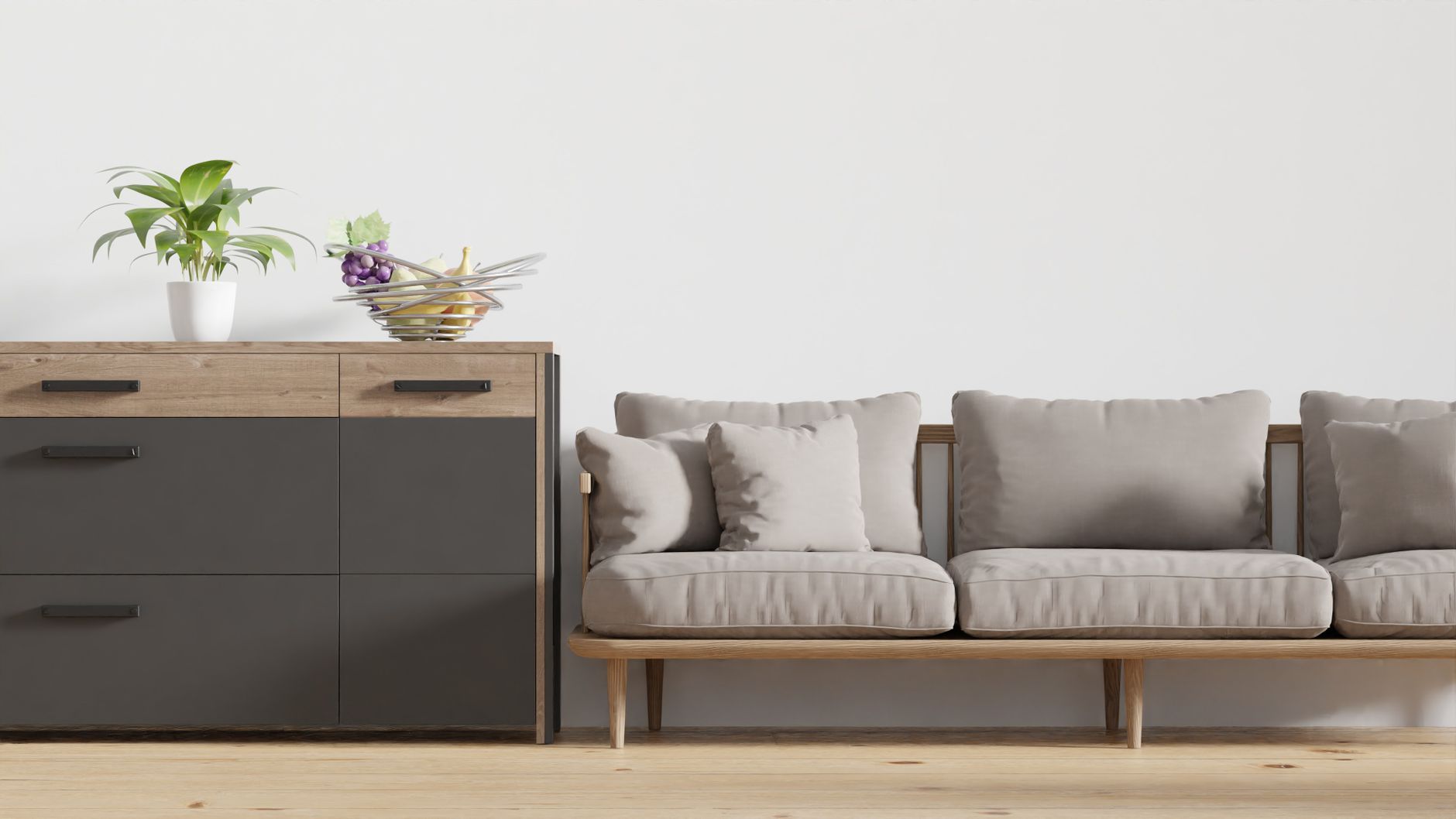
Open floor plans often get blamed for forcing minimal, under-furnished rooms, as though visual openness means fewer seating options. That assumption is one more entry on the list of modern furniture design mistakes worth questioning. Sofas remain a core category on Homary’s site, listed alongside TV stands, beds, and dining tables as part of the broader home range.
Because the brand frames its collection around furniture made for real life, seating is positioned as functional first, with design treated as a parallel priority rather than an afterthought. This framing pushes back on the idea that an open layout has to feel sparse or under-furnished to look current.
Outdoor Furniture Durability Myths: Beyond Weather-Resistant Assumptions
Outdoor furniture invites its own set of misconceptions, often centered on the idea that anything stylish must be fragile outside. Homary‘s seasonal content addresses this directly, featuring a modular teak sectional and rope chaise lounges available in two colors. That level of material and color detail suggests outdoor pieces are chosen with specific use in mind, not just general weather resistance claims.
The brand’s patio-focused guidance frames these pieces around actual scenarios, such as sunset gatherings and poolside lounging, rather than abstract durability marketing. That context matters because it ties design choices to how spaces actually get used across a season.
How Dining Tables and Desks Bridge Style and Everyday Use
Dining tables and desks sit at the center of daily routines, which makes them a strong test of whether modern design mistakes are being repeated or avoided. Homary lists both categories among its core offerings, alongside bathroom vanities and nightstands, suggesting a catalog built around full-room needs rather than standalone statement pieces. A dining table has to handle meals, work, and gathering, so function in this category is hard to fake.
Desks carry a similar dual role, especially where home offices overlap with living spaces. Homary’s placement of desks within its main furniture lineup, next to beds and coffee tables, points to a catalog that treats work and rest spaces as equally deserving of coordinated design.
Distinctive Design Doesn’t Mean Impractical: Real-World Application in Modern Homes
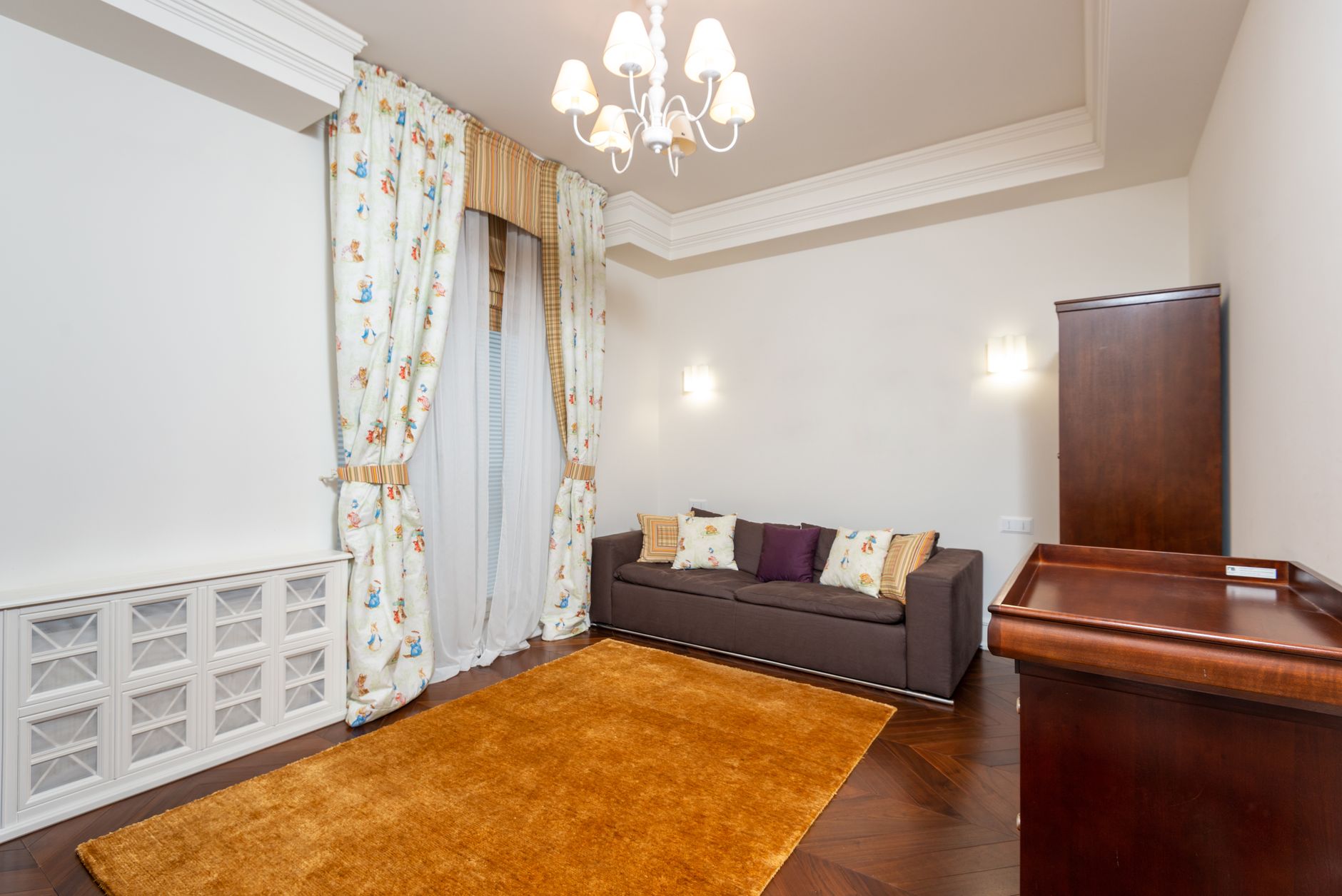
Showroom experience offers another angle on this debate. Homary operates a physical location in Duarte, California, where in-store consultants provide one-on-one guidance based on individual needs. That kind of hands-on consultation suggests the brand expects customers to evaluate materials and craftsmanship directly, not just trust a product photo.
The Duarte store description also notes a range spanning modern to minimalist styles, shown together rather than separated into opposing categories. This mixing of styles under one roof reinforces that distinctive design and everyday practicality are treated as compatible goals rather than competing ones.
- Many shoppers assume that bold or unusual shapes automatically compromise comfort, even though design and ergonomics are evaluated separately by most manufacturers.
- Storage capacity is frequently underestimated in sleek furniture, despite features like concealed compartments or lift-top mechanisms appearing in many contemporary tables.
- Outdoor collections are often judged purely on weather resistance, overlooking details like modular configurations or color options that affect everyday usability.
- Sizing is commonly treated as an afterthought, even though width and height ranges directly determine whether a piece fits a given room.
- Minimalist aesthetics are sometimes equated with a lack of personality, when in fact varied shapes such as round, cloud-form, or sectional designs are common across modern lines.
None of this means every modern furniture design mistake is purely a matter of perception. Scale, material choice, and room layout still require real attention before a purchase. But many of the broader myths about contemporary design soften once specific product details, like console widths or coffee table heights, enter the conversation.