






Table of Contents:
Every generation defines itself partly through how it gathers. In the 1950s, drive-in theaters created new social rituals. The 1970s disco revolution transformed nightlife into immersive musical experience. The 1990s rave culture emerged as technology enabled new possibilities. Today, immersive entertainment venues represent the latest chapter in humanity’s endless pursuit of transcendent shared experience. Companies like Cosm don’t merely present entertainment, they reshape how entire cultures can gather and celebrate together across geographical and economic boundaries.
The trajectory of venue evolution reveals consistent patterns. Early venues emphasized gathering itself, the social act of being together mattered as much as the content. As technology improved, venues began competing on content quality, comfort and amenities. The next frontier is fundamentally different venues that use technology to transcend traditional limitations entirely, creating experiences impossible through previous methods. This represents evolution toward something humans have always wanted but technology finally enables perfect experiences where every participant enjoys optimal vantage and engagement.
How Venue Architecture Is Being Reimagined
Traditional entertainment venues inherited constraints from their origins. Concert halls faced acoustic challenges solved partially through architecture, but still compromising some audience members’ experience. Sports stadiums prioritized capacity over view quality, forcing fans into distant seats with compromised sightlines. Movie theaters stacked rows at angles, accepting that some viewers experienced distorted angles and reduced image quality.
Immersive entertainment venues eliminate these compromises. Domed theaters, curved projection surfaces and spatial audio systems engineered by Cosm and similar operators ensure every audience member enjoys identical sensory quality. Seating arrangements can prioritize comfort rather than optimizing the worst-positioned viewers. The implications are profound ticket pricing becomes based on actual value rather than historical conventions about seat location quality and accessibility improves dramatically when physical positioning becomes irrelevant to experience quality.
The Global Expansion of Immersive Culture

What’s particularly notable is how rapidly immersive entertainment infrastructure is globalizing. Rather than remaining concentrated in wealthy nations’ major cities, these facilities increasingly appear worldwide. This democratization of access matters culturally and economically. Musicians can reach audiences globally through immersive venue partnerships. Educational content becomes accessible to international audiences simultaneously. Sporting events transcend geographic limitations preventing live attendance.
The expansion also creates infrastructure for cultural exchange. Performances originating in one culture can be transmitted to immersive venues globally, allowing audiences everywhere to experience artistic expressions directly. Orchestras can broadcast performances worldwide. Dance companies reach audiences unable to travel to traditional theaters. Documentary filmmakers find audiences across continents experiencing their work in identical immersive presentations. This infrastructure shift, pioneered by Cosm and others, potentially shifts global cultural dynamics in profound ways.
Economic Models Evolving for Immersive Entertainment

The economics of venues face fundamental disruption. Traditional venues competed on location, capacity and star power. Immersive venues compete on technology, content programming and experience quality. This shift creates advantages for operators who can invest in sophisticated technical infrastructure and disadvantages those relying on historical privilege or prime locations.
Ticket pricing reflects these changes. Rather than conventional pricing based on seat location, immersive venue economics reward operational excellence, content quality and consistent audience experience. This creates opportunities for smaller cities to host world-class entertainment events if they possess adequate immersive infrastructure. A city with limited traditional theater or concert hall capacity suddenly competes globally if it hosts sophisticated immersive venues. This geographic redistribution of entertainment infrastructure has significant regional economic implications.
Content Production Adaptation
Artists and content creators must adapt as immersive venues become mainstream entertainment. Musicians must consider how performances work within 360-degree immersion rather than traditional stage presentations. Filmmakers increasingly design content specifically for immersive formats rather than adapting traditional cinematography. Documentary creators explore storytelling possibilities the new medium enables. Platforms like Cosm partner with creators to develop content maximizing immersive possibilities rather than simply repurposing traditional presentations.
This creative adaptation will produce entirely new art forms over coming decades. Just as cinema created possibilities impossible in theater, immersive venues enable artistic expression unavailable in traditional entertainment spaces. The most exciting developments won’t be superior presentations of existing content but entirely new creative possibilities these venues enable.
Societal Implications of Immersive Entertainment Infrastructure
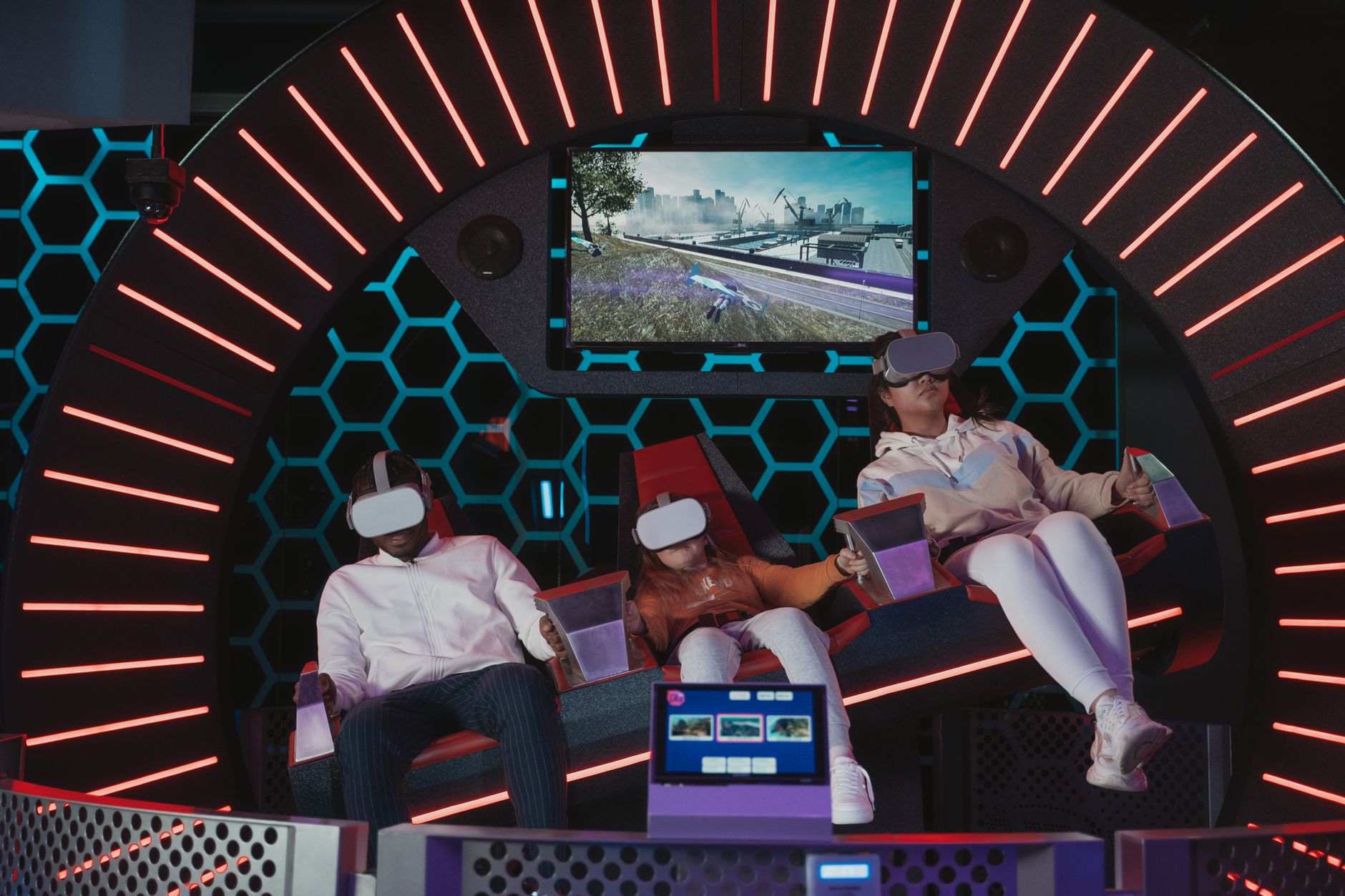
The proliferation of immersive entertainment venues has subtle but significant cultural implications. These venues provide spaces for communities to gather and celebrate together in an era increasingly characterized by isolation and digital fragmentation. They offer economic activity for creators, technicians and event staff. They create destinations incentivizing travel and tourism. They provide platforms for cultural expression and artistic achievement.
Key cultural developments emerging from immersive entertainment growth include
- Enhanced community bonding, Shared immersive experiences create genuine collective moments in ways isolated digital consumption cannot replicate.
- Democratized cultural access, Global distribution of content through immersive venues enables artistic expression reaching audiences regardless of geography or economic circumstance.
- New creative possibilities, Artists gain entirely new mediums enabling expression impossible through traditional formats and venues.
- Regional economic vitality, Immersive entertainment infrastructure attracts tourism and creates employment while reducing geographic disparities in cultural opportunities.
The evolution of entertainment venues from traditional theaters and stadiums toward immersive environments represents more than technological progress. It reflects humanity’s evolving relationship with community, technology and cultural expression. As venues continue advancing beyond current capabilities, companies pioneering this space, including industry leaders like Cosm, are reshaping not just how we experience entertainment but how entire cultures gather, connect and celebrate together across an increasingly digital world.