





Table of Contents:
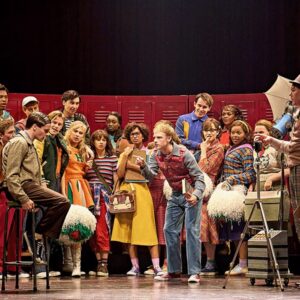
When Netflix first introduced Hawkins, Indiana, it looked like any sleepy Midwestern town. By the end of season one, though, fans realised it was anything but ordinary. With Stranger Things: The First Shadow, the story travels back to the 1950s, decades before Eleven or the Demogorgon turned Hawkins upside down. This stage production isn’t just a prequel—it’s a way of understanding how the town itself became a character, layered with secrets that shaped everything that followed.
Why a Stage Play Works for Stranger Things
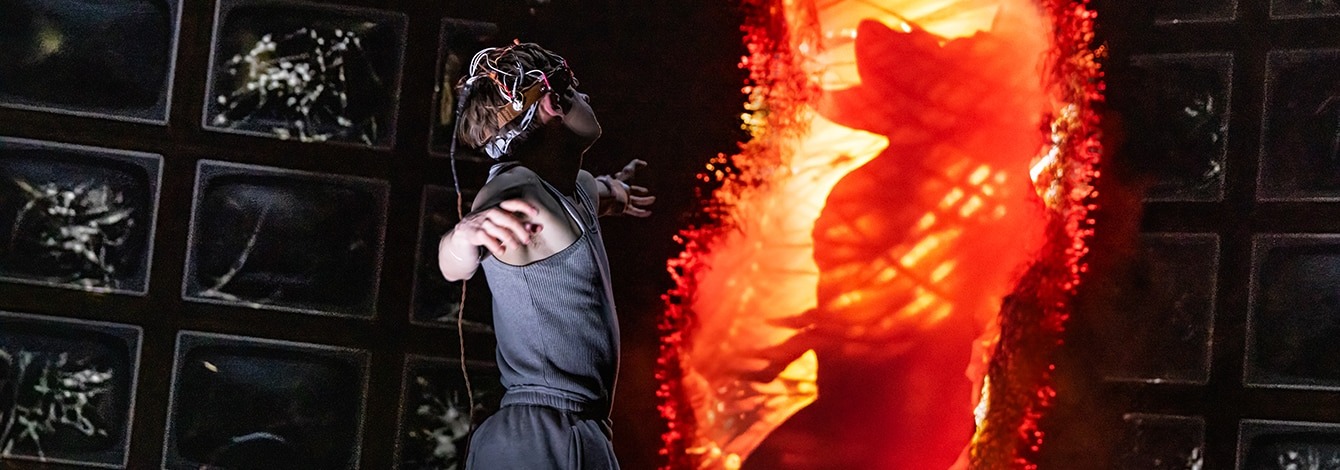
Television relies on slick editing and CGI. Live theatre has to make magic happen in front of you. What’s remarkable about Stranger Things on Stage is how it reimagines the atmosphere of Hawkins without a screen. Through lighting, practical effects, and inventive set design, the audience is pulled into a world that feels both familiar and unsettling. Rather than shrinking the universe, the stage version gives it new depth.
Hawkins in the 1950s
The production drops audiences into Hawkins long before Starcourt Mall or Hawkins Lab became infamous. This is a small town brimming with optimism, but shadows are already creeping in. Characters we know from the series appear in younger form, alongside new faces who hint at the forces that would later explode into the Upside Down. Seeing Hawkins at this earlier stage gives fans a chance to watch how a seemingly ordinary town began to crack.
Seeds of the Upside Down
One of the strengths of the stage show is how it threads foreshadowing into the narrative. The experiments, the strange occurrences, and the unsettling sense that Hawkins was never as wholesome as it seemed are all present here. For long-time fans, spotting these early markers is half the thrill. For newcomers, it builds a suspenseful, self-contained story that still works without any Netflix knowledge.
Characters Before the Chaos
The series made stars of Eleven, Dustin, and Hopper, but The First Shadow shifts the spotlight. We meet familiar names in unfamiliar roles—parents and mentors as teenagers, villains before they had power. This perspective gives the audience a fuller picture of Hawkins. Relationships take on new meaning, and decisions made in this period echo into the world we know on screen.
The Town as a Character
Hawkins has always felt more alive than a backdrop. The streets, schools, and shops are stitched with memories that influence every character’s choices. On stage, the intimacy of live theatre makes this presence stronger. The town becomes claustrophobic, its quiet charm increasingly laced with dread. By the final act, Hawkins feels like it was always destined to be the epicentre of something darker.
Pros and Cons of the Production
Pros
-
Rich expansion of Stranger Things lore
-
Innovative use of stagecraft to capture supernatural tension
-
Strong performances that ground familiar characters in youth
-
A story that stands alone but rewards deep fans
Cons
-
Some effects won’t match Netflix’s cinematic scale
-
Fans hoping for constant monster action may find the pace slower
-
Newcomers may miss certain nods without series knowledge
Comparisons: Screen vs Stage
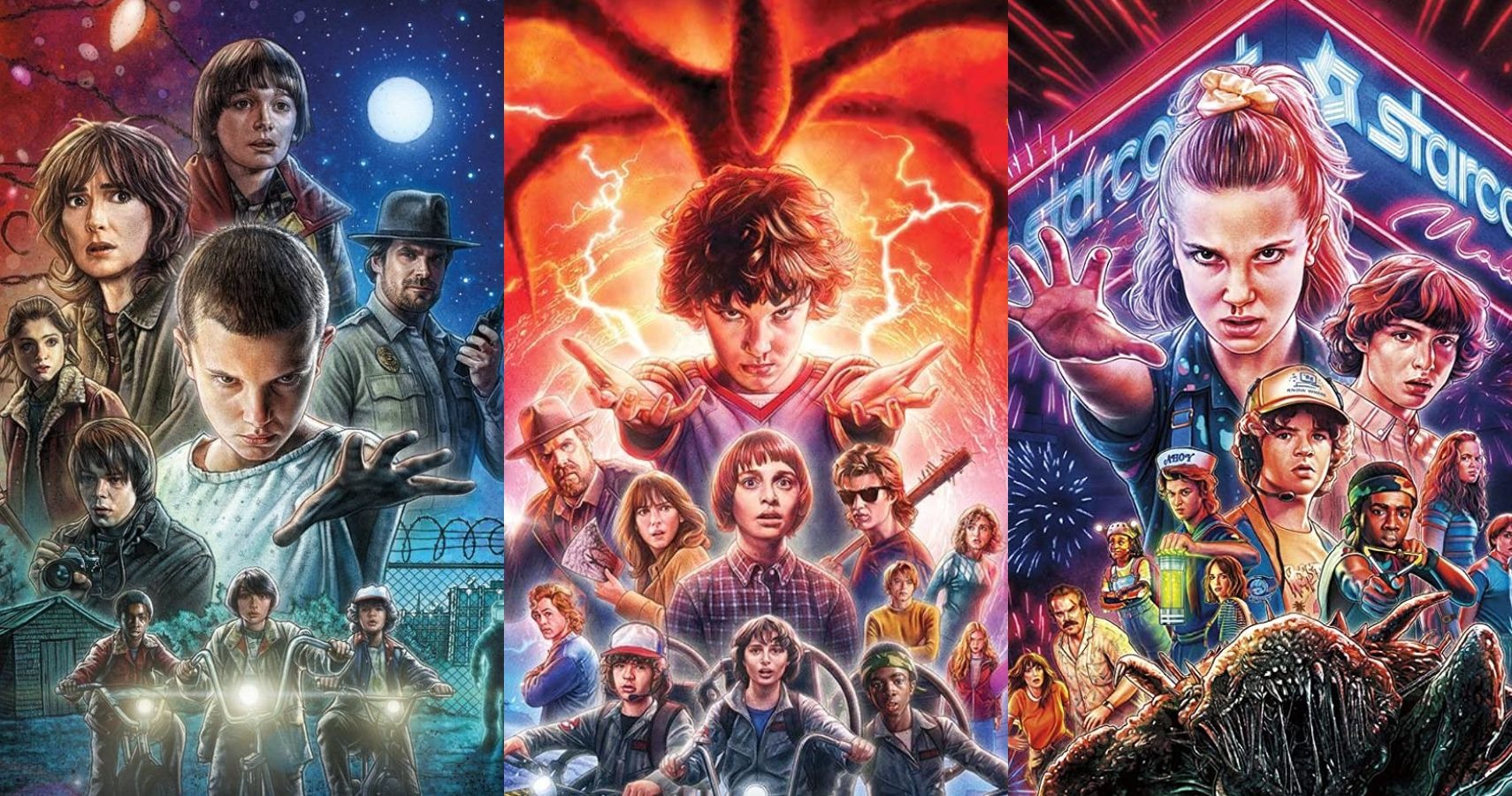
On screen, Hawkins is wide, sprawling, and stitched together by cinematic angles. On stage, it becomes more intimate and intense. Where Netflix leans on spectacle, the play leans on imagination, forcing audiences to engage more actively with the unfolding horror. Neither experience replaces the other—they complement each other, giving fans two ways of entering the same world.
FAQs
Q: Do I need to watch the series to enjoy the stage play?
A: Not at all. While fans will recognise details and connections, the story works independently.
Q: How does the play handle supernatural effects without CGI?
A: Through creative stagecraft—lighting, practical effects, and clever set changes that surprise audiences in real time.
Q: Is it scary?
A: Yes, but it’s more about tension and atmosphere than non-stop frights. The suspense builds steadily.
Q: Does it add new lore to the Stranger Things universe?
A: Yes. It shows how Hawkins became the place we know and hints at forces that shaped the series.
The Curtain Call: Hawkins Reimagined
What Stranger Things: The First Shadow achieves is more than a backstory. It transforms Hawkins from a setting into a living, breathing presence with history, flaws, and secrets. The production invites fans to look again at the series, armed with the knowledge that everything strange in Hawkins had roots decades earlier.
For those who have walked the streets of Hawkins through Netflix, stepping into the theatre is like peeling back the town’s wallpaper—and finding the cracks were always there.